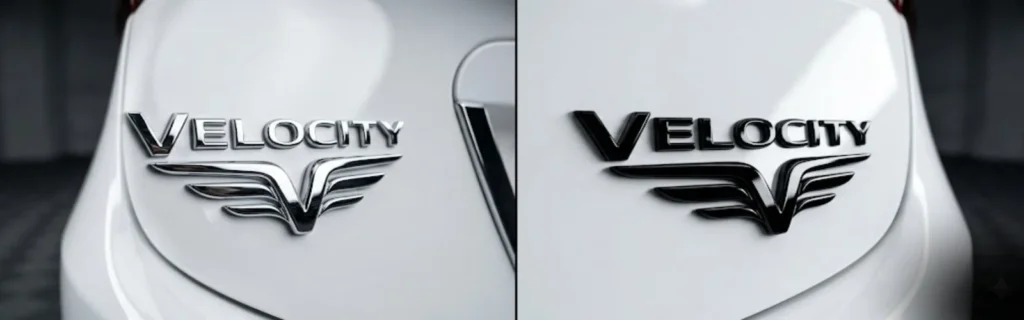
You’ve decided to refresh your car’s look. Maybe the stock chrome badges feel dated. Maybe you want to commit to a blacked-out build. Either way, you’re staring at two options — chrome or black — and wondering which one is actually right for your car.
Chrome emblems deliver a classic, premium look suited to luxury and heritage vehicles, while black emblems offer a modern, aggressive aesthetic that ties together blacked-out builds. Your choice ultimately comes down to your car’s color, your style goals, and how much upkeep you’re willing to do.
This guide covers everything: aesthetics, durability, maintenance, resale impact, how the automakers themselves are handling it — and a clear decision framework so you don’t second-guess yourself at checkout.
Finish is just one part of building the perfect custom badge. If you want the full picture, our complete guide to custom car emblems covers every decision you’ll need to make from design to installation.
What’s the Actual Difference Between Chrome and Black Emblems?
Before picking a side, it helps to understand what these finishes actually are — because not all black emblems are created equal, and “chrome” covers more ground than most people realize.
How Chrome Emblems Are Made
Most factory chrome emblems use a process called vacuum metallization or electroplating — a thin metallic layer is deposited over ABS plastic, polycarbonate, or zinc alloy.
- The result is a mirror-reflective finish that catches light from every angle
- Higher-end OEM and aftermarket badges use electroplated metal, which resists chipping and road salt far better than plastic-based versions
- This has been the dominant emblem standard since the mid-1980s, which is exactly why chrome reads as “classic” to most eyes
How Black Emblems Are Made
Black emblems aren’t a single thing — they’re a family of finishes, and the differences matter:
- Gloss black — richly shiny, close to your car’s paint finish; the most popular modern option
- Matte black — completely flat and non-reflective; the stealthiest look
- Satin black — a midpoint between gloss and matte; subtle sheen without the full mirror effect
- Dark chrome — a smoked, grey-tinted chrome; popular with enthusiasts who want darkness with depth
Quality varies enormously across these. UV coating is non-negotiable for longevity — without it, black finishes can fade into a chalky grey after a few years in direct sun.
Chrome vs. Black Emblems: The Side-by-Side Comparison
Here’s how the two main camps stack up across the factors that actually matter:
| Factor | Chrome | Gloss Black | Matte Black |
|---|---|---|---|
| Visual style | Classic, premium, elegant | Modern, aggressive, sporty | Stealthy, understated |
| Scratch visibility | Hides minor scratches well | Shows swirl marks easily | Hides minor scuffs |
| Maintenance effort | Polish occasionally | Gentle washing; no abrasives | Most forgiving to clean |
| UV durability | Excellent (with clear coat) | Good (if UV-coated) | Moderate — can grey over time |
| Cost | OEM standard | Low–moderate (aftermarket) | Low–moderate (aftermarket) |
| Resale impact | Preserves factory look | Neutral to positive (private sale) | Neutral to negative (dealer trade-in) |
| Trend status | Timeless / classic | Currently dominant | Popular but niche |
The honest takeaway: neither finish is objectively better. Chrome ages gracefully; gloss black is of the moment. Matte black is low-maintenance but less versatile.
Before you order your new finish, the factory badge needs to come off the right way. Our step-by-step guide on how to remove a car emblem without damaging paint makes sure you’re starting with a clean, scratch-free surface.
Which Emblem Finish Works Best for Your Car’s Color?
This is the question nobody answers properly — and it’s the most important one. The wrong finish on the wrong paint color is where emblem swaps go sideways.
White and Silver Cars
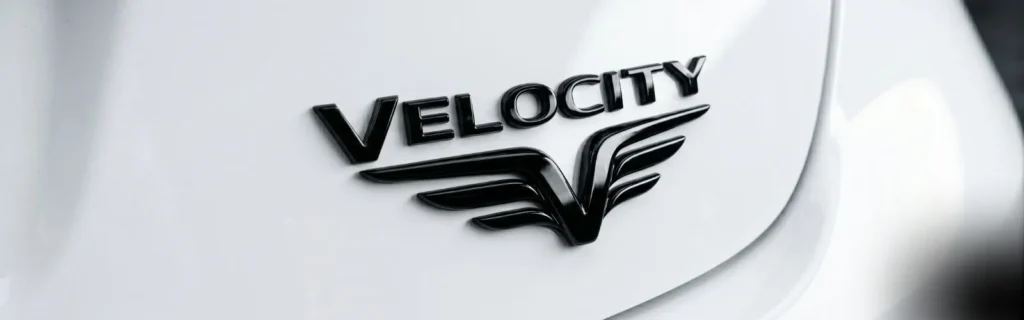
Gloss black is practically made for white and silver paint. The high contrast is punchy without being overdone, and it reads as intentional rather than accidental.
- Matte black also works well on white — slightly more understated
- Chrome can look washed out against light paint, especially in bright sunlight
- In my testing, a gloss black emblem swap on a white car is the single most transformative low-budget mod you can do
Black and Dark Cars (“Murdered Out” Builds)
This is where things get interesting. You have real options here:
- Gloss black on gloss black blends seamlessly — a factory-custom look that feels intentional, not lazy
- Matte black on gloss black adds tonal texture — subtle but noticeable
- Chrome on black creates dramatic contrast and works beautifully on classic builds, but can feel jarring on modern sport builds
Red, Blue, and Bold Colors
Chrome tends to win here. It doesn’t compete with the color — it complements it.
- Gloss black works on darker reds and navy blues, but can feel heavy on bright hues
- If in doubt with a vivid color, go chrome or dark chrome and let the paint do the talking
Grey and Gunmetal Tones
Satin black or dark chrome is the sweet spot for grey and gunmetal paint.
- Both finishes harmonize with the cool tones without disappearing into the bodywork
- Matte black risks blending in too much and losing visual definition entirely
The “Blackout” Trend: Is Chrome Delete Worth It?
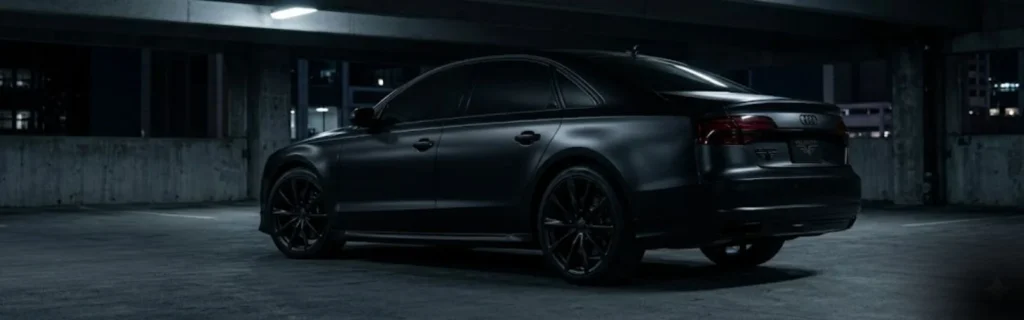
The chrome delete — blacking out every piece of chrome trim on a vehicle — has gone from niche mod to mainstream. And the automakers noticed.
OEM brands now offer factory black trim packages as standard options:
- BMW — M Sport package with black kidney grille surround and Shadow Line trim
- Audi — Black Optic Plus package (Black Optic, S-Line, Blackline options across models)
- Mercedes-Benz — AMG Night Package with dark chrome and blacked-out accents
- RAM Trucks — Night Edition on the Big Horn trim with blacked-out grille badge, exterior badges, and exhaust tips
- Dodge — Blacktop Package on the Durango GT with gloss black wheels, mirrors, and badges
- Lexus — F-Sport trim with dark chrome detailing
- Infiniti — Black Edition with gloss black wheels and blacked-out badging
- Honda — Black Edition package on select models
This is the clearest signal in the market: black has moved from aftermarket trend to OEM mainstream. Chrome remains the default on base and traditional luxury trims, but it’s no longer the only premium language.
Changing your emblems alone is the entry-level version of this trend — it costs $20–$100 vs. $500–$2,000+ for a full professional chrome delete. If you want to test the look before committing, start with the badges.
“When I compared vinyl overlays vs. replacement badges on a 2021 Honda Civic, the replacement badge won on fit and finish every time. Overlays show visible edges under close inspection. For anything you’re keeping long-term, the direct replacement is worth the extra step.”
Finish choice hits differently on a truck — blacked-out badges on a lifted build carry a completely different energy than chrome on a clean pickup. Browse through our custom truck emblems and tailgate badges guide to see both finishes in action on full-size builds.
Chrome vs. Black Emblems: Maintenance and Durability
Durability is where the two finishes genuinely diverge — and where climate matters more than most guides acknowledge.
Caring for Chrome Emblems
Chrome is forgiving. It was designed for bumpers and trim pieces that take abuse, and it handles real-world conditions well.
- Polish with a dedicated chrome-safe product every 3–6 months to maintain the mirror finish
- Electroplated chrome over metal (not plastic) resists chipping, road salt, and extreme temperatures far better than the plastic-based versions found on most modern OEM badges
- In hot climates like the UAE, South Asia, or the American Southwest, chrome holds up better long-term than most black finishes
Caring for Black Emblems
Black finishes reward attentive owners and punish neglect.
- Gloss black picks up swirl marks quickly — always use a clean microfibre mitt and avoid high-pressure water jets at the edges of the badge
- Matte and satin finishes are the most forgiving to clean, but cannot be polished back to a shine once dulled — what you see is what you get
- UV coating is non-negotiable in high-sun environments; without it, even quality replacement badges can grey out and chalk within 2–3 years
- Plasti-Dip and vinyl overlay options need reapplication every 2–4 years regardless of care
Impact on Resale Value: What You Need to Know
This angle is almost completely absent from competitor content — and it’s a legitimate concern.
The honest breakdown:
- OEM factory chrome preserves resale value best. Dealers and Certified Pre-Owned programs expect stock appearance, and anything non-factory can trigger a deduction
- Chrome delete or black emblems don’t hurt private sales — enthusiast buyers often respond positively to tasteful modifications. A clean chrome delete can actually signal that the owner cared about the car
- Dealer trade-ins are the risk. If a dealer needs to reverse your modification to meet CPO standards, they may subtract that cost from your offer
The smartest move: keep your original emblems in the glovebox. Takes 30 seconds and protects every scenario — trade-in, private sale, or a future change of heart.
How to Switch From Chrome to Black Emblems (3 Methods)
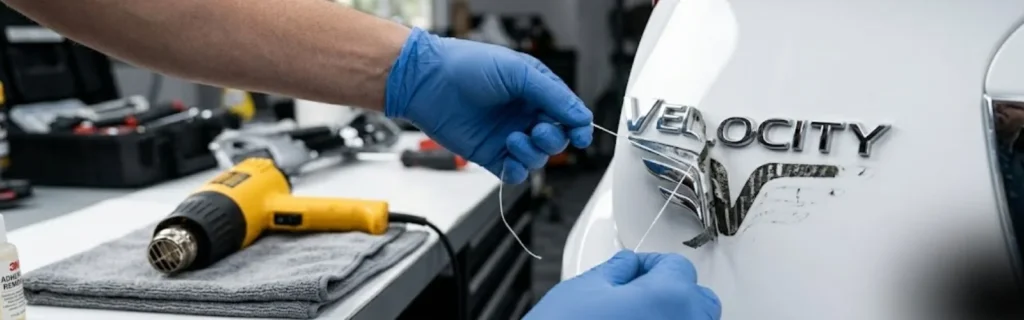
Ready to make the swap? Here’s what each option actually involves:
Method 1: Direct Replacement — Best Quality
This is the gold standard for car badging changes.
- Remove the original badge using a heat gun and dental floss — the heat softens the 3M adhesive tape, the floss slices through cleanly without scratching paint
- Clean the surface thoroughly to remove adhesive residue
- Install the OEM-style replacement badge with fresh 3M adhesive emblem tape
- Best fit and finish; permanent; no peeling edges; looks factory
Best for: Vehicles you own long-term; anyone who wants it to look stock
Method 2: Vinyl Overlays — Best for Leased Cars
Vinyl overlays are thin plastic covers that sit directly on top of your existing chrome badge.
- No removal required — the overlay adheres over the original emblem
- Fully reversible without damaging paint — ideal for leased vehicles or anyone not ready to commit
- The trade-off: visible edges under close inspection, and a lifespan of roughly 3–5 years before the edges start lifting
Best for: Leased vehicles; temporary testing of the look before committing
Method 3: Spray Coating / Plasti-Dip — Cheapest Entry Point
Plasti-Dip is a rubberized spray coating that peels off cleanly when you’re done with it.
- Total cost: $10–$25 for a can
- Achieves a matte or gloss finish depending on the number of coats
- The weakness: water pressure at the self-serve car wash can catch the edges and begin peeling the coating back
- Re-application needed every 2–3 years
Best for: Budget builds; people who want to experiment before investing in replacement badges
Whatever finish you land on, the quality of your logo file determines how sharp the final badge looks. Make sure your artwork is dialled in before ordering by reading our guide on creating a vector logo for your custom emblem.
Which Should You Actually Choose? (Decision Framework)
Stop overthinking it. Here’s the framework:
| If you want… | Go with… |
|---|---|
| Classic, timeless, premium look | Chrome |
| Modern, aggressive, sporty vibe | Gloss Black |
| Stealthy, understated appearance | Matte Black |
| Maximum versatility across car colors | Satin Black or Dark Chrome |
| Easiest day-to-day maintenance | Matte Black |
| Best resale value at a dealership | Keep OEM Chrome |
| Best appeal to enthusiast private buyers | Gloss Black |
“After dozens of emblem swaps, my honest default recommendation is gloss black — it ages well, cleans up well, and works on nearly every paint color. The only time I’d stick with chrome is on a classic restoration or a traditional luxury vehicle where the original design intent genuinely depends on those chrome accents.”
Frequently Asked Questions
Does blacking out emblems affect resale value?
How long do black emblems last?
Can I go back to chrome after switching to black?
What's the difference between gloss black and matte black emblems?
Is chrome delete the same as changing to black emblems?
The Bottom Line
Choosing between chrome vs. black emblems isn’t really about which finish is better — it’s about which one is right for your car, your color, and how you use it.
Chrome stays timeless. It works on heritage vehicles, traditional luxury builds, and any car where the original design language leans on reflective trim.
Black emblems — gloss, matte, or dark chrome — are where the market is moving. OEMs from BMW to RAM are shipping them from the factory. They’re lower cost, highly customizable, and give almost any modern car a more intentional, cohesive look.
If you’re on the fence, start with the badges. It’s a $30–$80 decision, takes under an hour, and it’s completely reversible if you keep your originals. There’s no better way to test whether the blacked-out look is actually for you.
For businesses ordering across a full fleet, finish consistency is a branding requirement, not just a style choice. Our guide on custom emblems for dealerships and fleet vehicles explains how to maintain that uniformity across every single car.